South Korea Industrial Output Jumps 5.8% in June, Far Exceeding Forecasts
Поделиться:
South Korea's industrial output rose 5.8% year-on-year in June versus a 2.5% forecast and increased 0.5% month-on-month, reversing May's 1.2% decline, led by semiconductors and machinery. The stronger data reduces near-term pressure for Bank of Korea rate cuts, strengthened the won and KOSPI, and could indirectly support risk assets and crypto adoption with increased flows to DeFi, DEX and CEX platforms, though sustainability depends on global tech demand.
Рынки предсказаний
Что в фокусе у трейдеров?

BitcoinWorld
South Korea Industrial Output Jumps 5.8% in June, Far Exceeding Forecasts
South Korea’s industrial output rose 5.8% in June compared to the same month last year, sharply beating market forecasts of a 2.5% increase, according to data released by Statistics Korea on Friday. The stronger-than-expected figure signals resilience in Asia’s fourth-largest economy despite global headwinds.
What the data shows
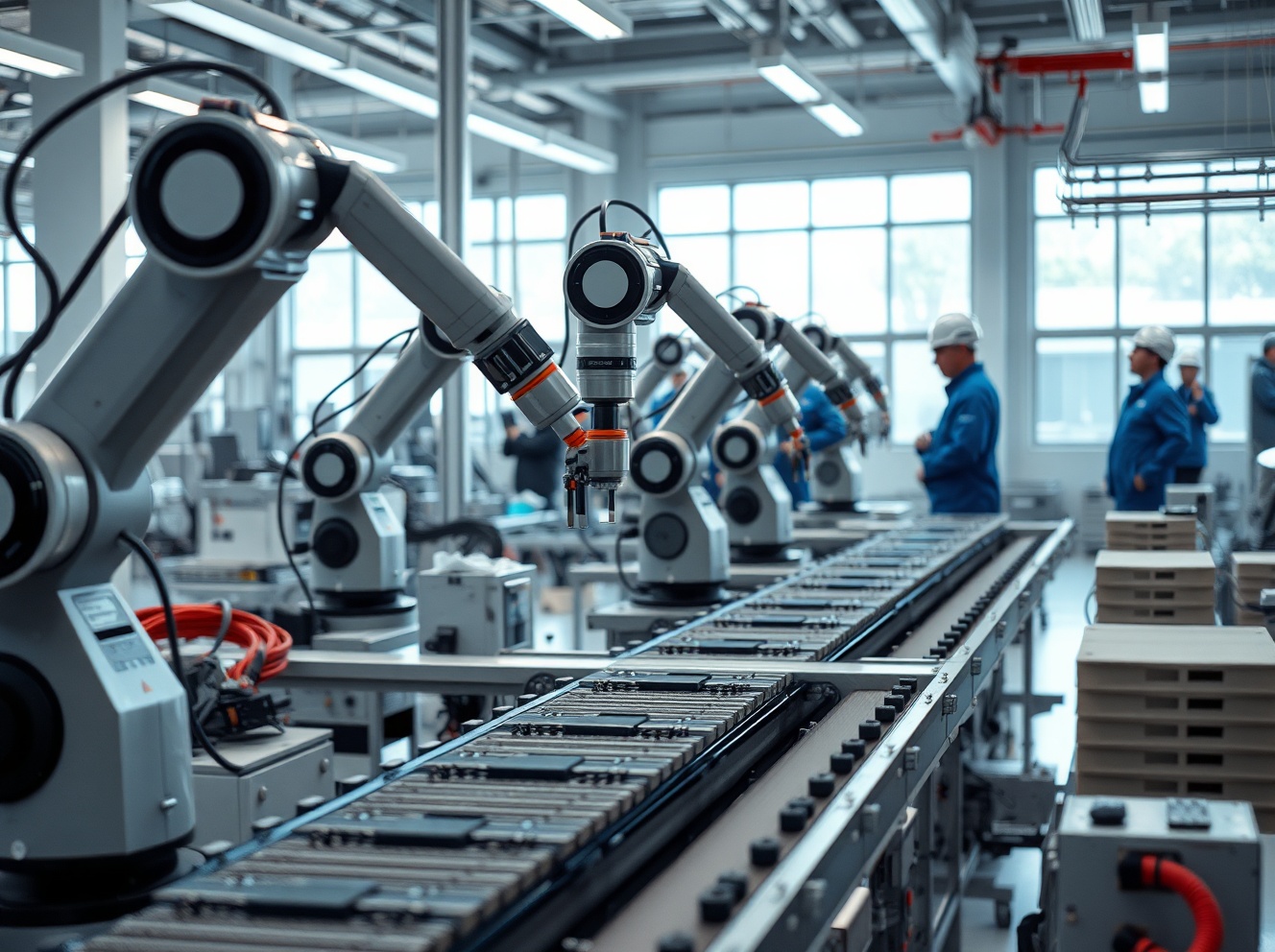
The seasonally adjusted industrial production index also rose 0.5% month-on-month in June, reversing a 1.2% decline in May. The year-on-year gain was driven by robust performance in the semiconductor and machinery sectors, which together account for a significant share of the country’s exports. The better-than-expected data comes as policymakers closely monitor the impact of high interest rates and slowing global demand on domestic manufacturing.
Why it matters
Industrial output is a key barometer of economic health, and the June figure provides some relief after a string of mixed indicators. The strong reading may reduce pressure on the Bank of Korea to consider rate cuts in the near term, as it balances growth concerns with inflation. For investors, the data offers a positive signal for Korean equities and the won, which had been under pressure earlier in the year. However, economists caution that the sustainability of this growth remains uncertain, given the global slowdown and potential volatility in tech demand.
Impact on policy and markets
The better-than-expected output could influence the Bank of Korea’s monetary policy stance. With inflation still above the target range, the central bank may hold rates steady at its upcoming meeting, but the strong industrial data gives it more room to focus on price stability. Market analysts noted that the won strengthened slightly following the release, and the KOSPI index showed modest gains, reflecting improved investor sentiment.
Conclusion
South Korea’s June industrial output beat forecasts by a wide margin, underscoring the resilience of its manufacturing sector. While the data is encouraging, sustained growth will depend on global demand, particularly in the semiconductor market. Policymakers and investors will be watching upcoming indicators to gauge whether this momentum can be maintained in the second half of the year.
FAQs
Q1: What is the significance of South Korea’s industrial output data?
Industrial output measures the total value of goods produced by factories, mines, and utilities. It is a key indicator of economic activity and helps policymakers and investors assess the health of the manufacturing sector.
Q2: Why did the market forecast a lower increase?
Forecasts of 2.5% were based on expectations of weaker global demand, particularly from China and the US, as well as the impact of high interest rates on domestic consumption. The actual figure of 5.8% suggests stronger-than-expected production, likely driven by semiconductor exports.
Q3: How might this data affect the Bank of Korea’s interest rate decisions?
The strong industrial output may give the Bank of Korea more confidence in the economy’s resilience, potentially reducing the urgency for rate cuts. However, the central bank will also consider inflation trends and global risks before making any policy changes.
This post South Korea Industrial Output Jumps 5.8% in June, Far Exceeding Forecasts first appeared on BitcoinWorld.

Читать больше
Tokyo CPI Inflation Holds Steady at 2.0% in July, Matching BOJ Target