Gold Surges Past $4,400 as US Inflation Data Looms: What It Means for Investors

Поделиться:
Gold surged past $4,400 per ounce as investors positioned ahead of this week’s US inflation report, with economists forecasting about 3.2% year‑over‑year headline CPI and markets pricing in possible Fed rate cuts later in the year; central bank buying and strong retail demand in China and India are providing structural support. A softer CPI could push bullion higher while a hotter print could reverse gains, underscoring gold’s role as an inflation hedge and portfolio diversifier and implying near‑term pressure on risk assets including crypto and DeFi as capital rotates into safe havens.
Рынки предсказаний
Что в фокусе у трейдеров?

BitcoinWorld
Gold Surges Past $4,400 as US Inflation Data Looms: What It Means for Investors
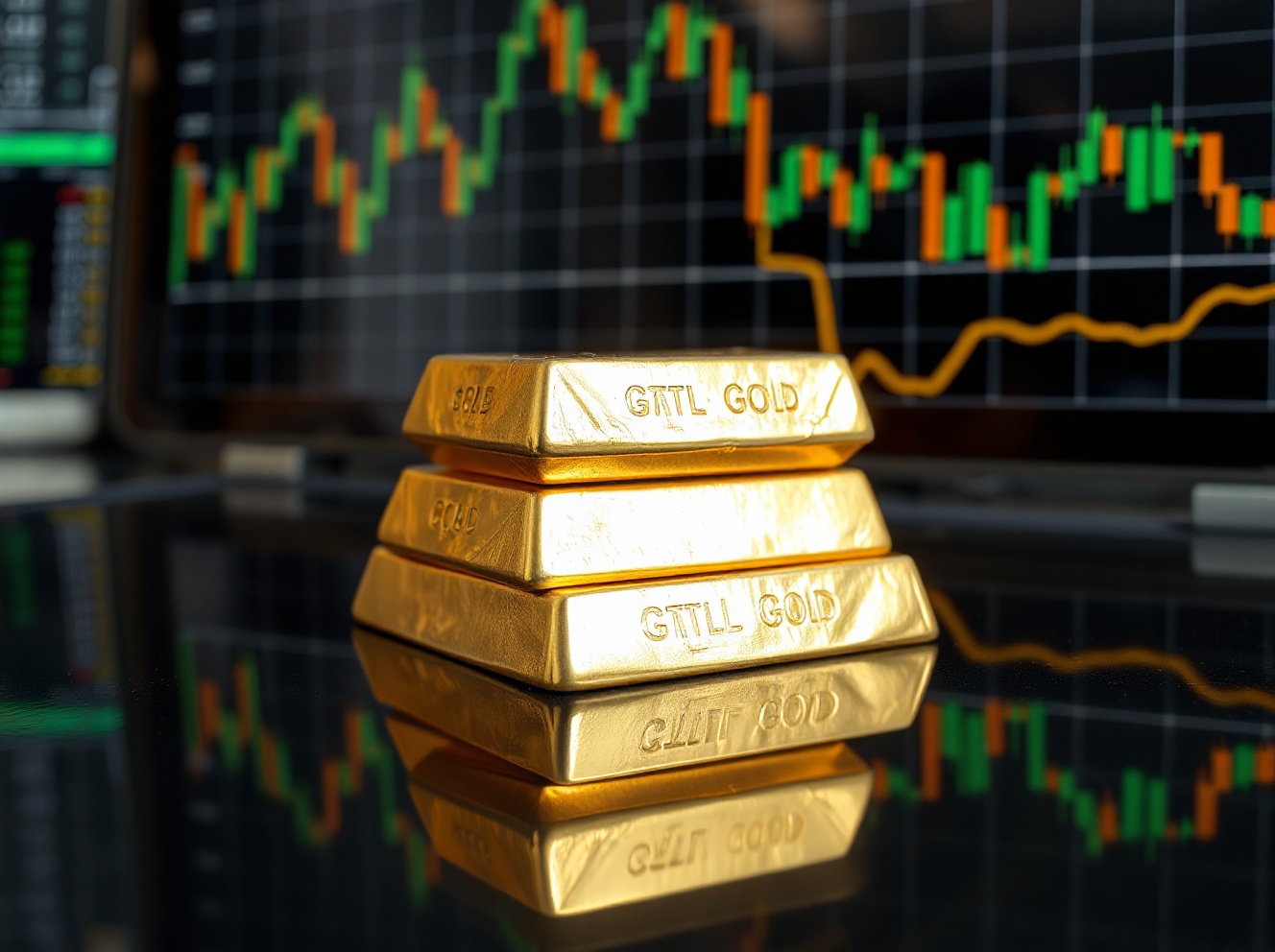
Gold prices have climbed above $4,400 per ounce as of [date], driven by investor anticipation of the upcoming US inflation report, which is expected to influence the Federal Reserve’s next policy moves. The precious metal’s rally underscores heightened demand for safe-haven assets amid economic uncertainty.
Why Gold Is Rallying
The latest surge in gold prices reflects a combination of factors, including persistent geopolitical tensions, central bank buying, and growing expectations that the Fed may begin cutting interest rates later this year. As inflation data takes center stage, traders are positioning for potential shifts in monetary policy that could further boost bullion’s appeal.
Historically, gold thrives in environments where real interest rates are low or negative. With the Fed signaling a possible pivot away from its restrictive stance, the opportunity cost of holding non-yielding assets like gold has diminished, attracting both institutional and retail investors.
Inflation Report: What to Watch
The upcoming US inflation report, scheduled for release this week, is expected to show a continued cooling in price pressures, though the pace of disinflation remains a key question. Economists forecast a year-over-year increase of around 3.2% for headline CPI, down from the previous reading, but core inflation may remain sticky due to shelter and service costs.
A softer-than-expected print could reinforce the case for rate cuts, potentially driving gold even higher. Conversely, a hot inflation number might force the Fed to maintain higher rates for longer, putting downward pressure on bullion prices in the short term.
Impact on Investors
For investors, the current gold rally highlights the metal’s role as a portfolio diversifier and hedge against inflation and currency debasement. However, analysts caution that gold’s volatility can be significant, and timing entries requires careful consideration of broader market conditions.
Central banks, particularly in emerging markets, have been accumulating gold reserves at a record pace, providing structural support for prices. This trend, coupled with robust retail demand in key markets like China and India, suggests that the bull market may have further room to run.
Conclusion
Gold’s ascent above $4,400 marks a significant milestone, driven by macroeconomic uncertainty and anticipation of Fed policy easing. The upcoming inflation data will be pivotal in determining the metal’s near-term trajectory. While the outlook remains constructive, investors should stay attuned to economic indicators and central bank communications for clues on future price movements.
FAQs
Q1: Why does gold react to inflation data?
Gold is often seen as a hedge against inflation. When inflation rises, the purchasing power of fiat currencies declines, making gold more attractive as a store of value. Inflation data influences central bank policies, which in turn affect real interest rates and gold’s opportunity cost.
Q2: What is the outlook for gold prices after the inflation report?
The outlook depends on the inflation reading and the Fed’s response. A cooler CPI could accelerate rate-cut expectations, supporting higher gold prices. A hot CPI might delay cuts, potentially leading to a pullback. However, structural demand from central banks and geopolitical risks provide a long-term bullish backdrop.
Q3: How can investors gain exposure to gold?
Investors can invest in physical gold (bars or coins), gold exchange-traded funds (ETFs), gold mining stocks, or futures contracts. Each method carries different risks and costs, so it’s important to align the choice with individual investment goals and risk tolerance.
This post Gold Surges Past $4,400 as US Inflation Data Looms: What It Means for Investors first appeared on BitcoinWorld.


Рынки предсказаний
Что в фокусе у трейдеров?
Поделиться:
Рынки предсказаний
Что в фокусе у трейдеров?
Поделиться:
Читать больше
Gold price tops $4,400 as cooling US inflation fuels Fed rate-cut hopes