
Polish Crypto Regulation Dodges a Bullet: President’s Veto Protects Digital Asset Innovation
Share:

BitcoinWorld

Polish Crypto Regulation Dodges a Bullet: President’s Veto Protects Digital Asset Innovation
In a decisive move for digital finance, Polish President Karol Nawrocki has vetoed a controversial bill that threatened to impose heavy-handed Polish crypto regulation. This action sends a powerful signal about the nation’s approach to fostering innovation while considering necessary oversight. For investors and builders in the space, the veto represents a crucial victory and a moment to breathe easier.
What Did the Polish Crypto Regulation Bill Propose?
The proposed Crypto-Asset Market Act, introduced in June, aimed to establish a strict regulatory framework. Its most contentious provision would have granted authorities sweeping power to block cryptocurrency websites with relative ease. This raised immediate concerns about censorship, market access, and the potential stifling of a growing technological sector. The bill’s broad scope indicated a shift towards a more restrictive environment for digital assets in Poland.
Therefore, the president’s veto halts this trajectory. It suggests a recognition that such aggressive measures might do more harm than good, potentially driving innovation and investment to more welcoming jurisdictions. The decision underscores the ongoing global debate about how to balance consumer protection with the freedom necessary for technological progress.
Why Did the President Veto the Bill?
While the official reasoning will be detailed in a forthcoming statement, analysts point to several likely factors behind the veto of the Polish crypto regulation proposal:
- Innovation Stifling: Overly strict rules can crush the nascent crypto and blockchain startup scene.
- Market Freedom: The website-blocking power was seen as a draconian measure against free market principles.
- Legal Concerns: The bill may have faced constitutional challenges regarding overreach and digital rights.
- Economic Strategy: Poland may seek to attract, not repel, fintech talent and capital.
This move aligns Poland more closely with nations adopting a ‘wait-and-see’ or innovation-friendly stance, rather than those pushing for immediate, heavy-handed control. It provides the local industry with valuable breathing room to mature and propose more collaborative regulatory frameworks.
What Does This Mean for Crypto in Poland?
The immediate effect is a stay of execution for the current operational freedom within Poland’s crypto regulation landscape. Exchanges, wallet providers, and blockchain projects can continue under existing rules. However, this is not the end of the road for Polish crypto regulation.
Lawmakers are now compelled to go back to the drawing board. The goal will likely be crafting legislation that addresses real risks—like fraud and money laundering—without employing the blunt instrument of website blocking. The future of Polish crypto regulation will hinge on finding this delicate equilibrium.
For users and investors, the veto means continued access to a wide range of services. It also fosters a more predictable environment in the short term, which is essential for both adoption and serious investment in blockchain infrastructure.
The Global Context of Crypto Regulation
Poland’s situation is a microcosm of a worldwide struggle. The European Union is finalizing its landmark Markets in Crypto-Assets (MiCA) framework, which will eventually supersede national laws. Poland’s vetoed bill was arguably an attempt to get ahead of MiCA, but its methods were deemed too extreme.
This event highlights a critical lesson for regulators everywhere: speed and severity are not substitutes for thoughtful, proportionate policy. A balanced Polish crypto regulation framework that protects consumers while enabling innovation could position the country as a regional leader in the digital economy.
Conclusion: A Pause, Not a Full Stop
President Nawrocki’s veto is a pivotal moment, but it is not a final resolution. It successfully blocks a threatening piece of Polish crypto regulation, providing the industry with a temporary shield. The real work begins now—to build a sensible, forward-looking regulatory model that supports safe growth. This decision reminds us that in the fast-evolving world of crypto, thoughtful governance triumphs over reactionary restriction.
Frequently Asked Questions (FAQs)
Q1: What exactly did the Polish President veto?
A1: President Karol Nawrocki vetoed the “Crypto-Asset Market Act,” a bill that proposed strict regulations, including granting authorities the power to easily block cryptocurrency websites.
Q2: Does this mean crypto is completely unregulated in Poland now?
A2: No. Existing financial and anti-money laundering regulations still apply. The veto only stops this new, stricter set of proposed rules from becoming law.
Q3: Will there be a new crypto regulation bill in Poland?
A3> Almost certainly. The veto sends the legislation back to parliament. Lawmakers will likely need to revise it, especially to align with the upcoming EU-wide MiCA regulations.
Q4: How does this affect the average crypto user in Poland?
A4> For now, it means no sudden disruption. Users can continue accessing crypto websites and services as before, without the immediate threat of blocks under the proposed law.
Q5: Is Poland now a “crypto-friendly” country?
A5> The veto shows a willingness to protect the industry from overly harsh rules, which is a positive sign. However, the long-term friendliness will depend on the replacement legislation that is drafted.
Q6: Could the parliament override the presidential veto?
A6> Yes, but it requires a three-fifths majority vote in the presence of at least half of the statutory number of members of parliament, which is a high threshold and considered unlikely in this case.
Found this analysis of the shifting Polish crypto regulation landscape insightful? Help inform the community by sharing this article on your social media channels. Your share sparks conversation and keeps everyone updated on these critical developments.
To learn more about the latest global crypto regulation trends, explore our article on key developments shaping cryptocurrency policy and institutional adoption.
This post Polish Crypto Regulation Dodges a Bullet: President’s Veto Protects Digital Asset Innovation first appeared on BitcoinWorld.
In This News


Share:
In This News
Share:
Read More

Unlocking Potential: SEC’s Crypto Innovation Exemption Launches This January
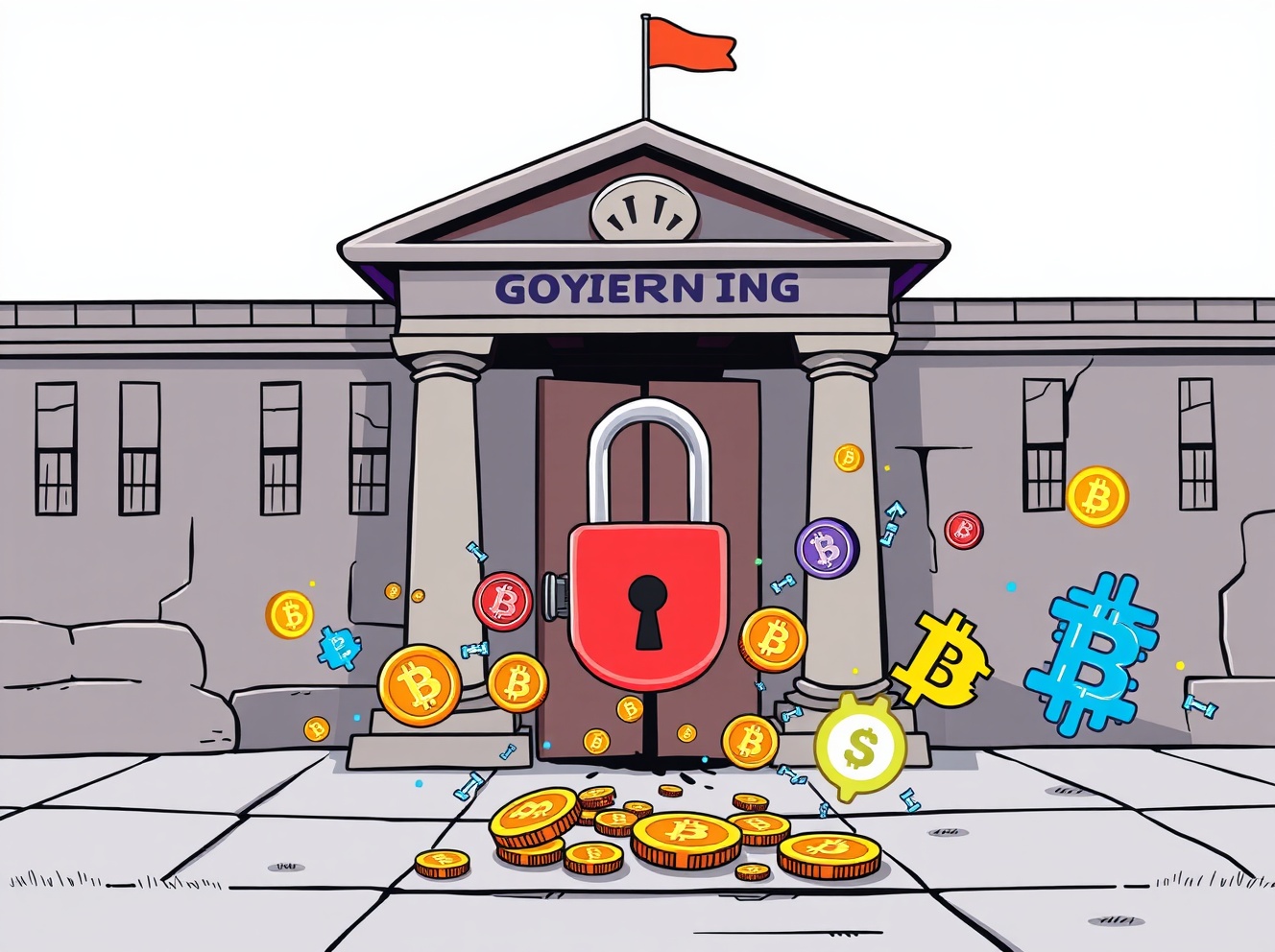
Shocking Report: How the US Government Systematically Suppressed the Crypto Industry
Polish Crypto Regulation Dodges a Bullet: President’s Veto Protects Digital Asset Innovation
Share:
BitcoinWorld
Polish Crypto Regulation Dodges a Bullet: President’s Veto Protects Digital Asset Innovation
In a decisive move for digital finance, Polish President Karol Nawrocki has vetoed a controversial bill that threatened to impose heavy-handed Polish crypto regulation. This action sends a powerful signal about the nation’s approach to fostering innovation while considering necessary oversight. For investors and builders in the space, the veto represents a crucial victory and a moment to breathe easier.
What Did the Polish Crypto Regulation Bill Propose?
The proposed Crypto-Asset Market Act, introduced in June, aimed to establish a strict regulatory framework. Its most contentious provision would have granted authorities sweeping power to block cryptocurrency websites with relative ease. This raised immediate concerns about censorship, market access, and the potential stifling of a growing technological sector. The bill’s broad scope indicated a shift towards a more restrictive environment for digital assets in Poland.
Therefore, the president’s veto halts this trajectory. It suggests a recognition that such aggressive measures might do more harm than good, potentially driving innovation and investment to more welcoming jurisdictions. The decision underscores the ongoing global debate about how to balance consumer protection with the freedom necessary for technological progress.
Why Did the President Veto the Bill?
While the official reasoning will be detailed in a forthcoming statement, analysts point to several likely factors behind the veto of the Polish crypto regulation proposal:
- Innovation Stifling: Overly strict rules can crush the nascent crypto and blockchain startup scene.
- Market Freedom: The website-blocking power was seen as a draconian measure against free market principles.
- Legal Concerns: The bill may have faced constitutional challenges regarding overreach and digital rights.
- Economic Strategy: Poland may seek to attract, not repel, fintech talent and capital.
This move aligns Poland more closely with nations adopting a ‘wait-and-see’ or innovation-friendly stance, rather than those pushing for immediate, heavy-handed control. It provides the local industry with valuable breathing room to mature and propose more collaborative regulatory frameworks.
What Does This Mean for Crypto in Poland?
The immediate effect is a stay of execution for the current operational freedom within Poland’s crypto regulation landscape. Exchanges, wallet providers, and blockchain projects can continue under existing rules. However, this is not the end of the road for Polish crypto regulation.
Lawmakers are now compelled to go back to the drawing board. The goal will likely be crafting legislation that addresses real risks—like fraud and money laundering—without employing the blunt instrument of website blocking. The future of Polish crypto regulation will hinge on finding this delicate equilibrium.
For users and investors, the veto means continued access to a wide range of services. It also fosters a more predictable environment in the short term, which is essential for both adoption and serious investment in blockchain infrastructure.
The Global Context of Crypto Regulation
Poland’s situation is a microcosm of a worldwide struggle. The European Union is finalizing its landmark Markets in Crypto-Assets (MiCA) framework, which will eventually supersede national laws. Poland’s vetoed bill was arguably an attempt to get ahead of MiCA, but its methods were deemed too extreme.
This event highlights a critical lesson for regulators everywhere: speed and severity are not substitutes for thoughtful, proportionate policy. A balanced Polish crypto regulation framework that protects consumers while enabling innovation could position the country as a regional leader in the digital economy.
Conclusion: A Pause, Not a Full Stop
President Nawrocki’s veto is a pivotal moment, but it is not a final resolution. It successfully blocks a threatening piece of Polish crypto regulation, providing the industry with a temporary shield. The real work begins now—to build a sensible, forward-looking regulatory model that supports safe growth. This decision reminds us that in the fast-evolving world of crypto, thoughtful governance triumphs over reactionary restriction.
Frequently Asked Questions (FAQs)
Q1: What exactly did the Polish President veto?
A1: President Karol Nawrocki vetoed the “Crypto-Asset Market Act,” a bill that proposed strict regulations, including granting authorities the power to easily block cryptocurrency websites.
Q2: Does this mean crypto is completely unregulated in Poland now?
A2: No. Existing financial and anti-money laundering regulations still apply. The veto only stops this new, stricter set of proposed rules from becoming law.
Q3: Will there be a new crypto regulation bill in Poland?
A3> Almost certainly. The veto sends the legislation back to parliament. Lawmakers will likely need to revise it, especially to align with the upcoming EU-wide MiCA regulations.
Q4: How does this affect the average crypto user in Poland?
A4> For now, it means no sudden disruption. Users can continue accessing crypto websites and services as before, without the immediate threat of blocks under the proposed law.
Q5: Is Poland now a “crypto-friendly” country?
A5> The veto shows a willingness to protect the industry from overly harsh rules, which is a positive sign. However, the long-term friendliness will depend on the replacement legislation that is drafted.
Q6: Could the parliament override the presidential veto?
A6> Yes, but it requires a three-fifths majority vote in the presence of at least half of the statutory number of members of parliament, which is a high threshold and considered unlikely in this case.
Found this analysis of the shifting Polish crypto regulation landscape insightful? Help inform the community by sharing this article on your social media channels. Your share sparks conversation and keeps everyone updated on these critical developments.
To learn more about the latest global crypto regulation trends, explore our article on key developments shaping cryptocurrency policy and institutional adoption.
This post Polish Crypto Regulation Dodges a Bullet: President’s Veto Protects Digital Asset Innovation first appeared on BitcoinWorld.
In This News
Share:
In This News
Share:
Read More
Unlocking Potential: SEC’s Crypto Innovation Exemption Launches This January